

Sam's Story
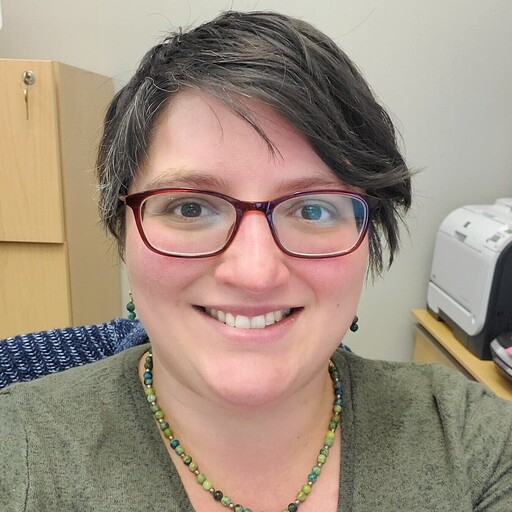
For years, Sam carried the impact of childhood sexual abuse (CSA) alone. Living in Laramie, Wyoming, she searched for support but found nothing designed for adult survivors of CSA — only groups that dismissed or could not hold her experiences. She had no access to trauma-informed services and no community that understood the complexity of what she was carrying.
And yet, even without support, Sam was forced to make unimaginable choices. With no trauma-informed community to walk beside her, she faced the aftermath of her abuse — and the systems that so often fail survivors — on her own.
Despite this, Sam made the difficult decision to report her abuser. She did it to protect others, especially children in her family. The process was retraumatizing: an investigator questioned her credibility, minimized the abuse, and blamed her for coming forward. Still, Sam persisted.
Eventually, a different investigator took her seriously, and she continued pursuing justice even as she carried the emotional weight of preparing to face her abuser.
When Sam moved back to Denver in 2020, everything shifted. Determined to find real support as she prepared for trial, she contacted several organizations — Wings was the only one that called her back.
Going through Wings’ intake process, Sam felt genuinely seen. And in her Wings’ support group, she finally found what had been missing: a community of fellow survivors who understood her experiences. A place where she didn’t have to over-explain herself —a consistent space where she could share openly, build regulation, and heal in community rather than isolation.
Since graduating from her support group and Wings’ Speak Out! program, Sam hasn’t stepped away from this issue. She’s stepped forward.
Today, Sam uses her voice in advocacy efforts. Including speaking openly about the value of Wings’ services so that other survivors won’t have to navigate their trauma alone, the way she once did.
Sam is no longer isolated. She is part of a growing movement that stands with survivors, lifts up the long-term impacts of CSA, and protects spaces where adult survivors and their loved ones can heal.