

Mother’s Day Can Be Complicated for Adult Survivors of Childhood Sexual Abuse
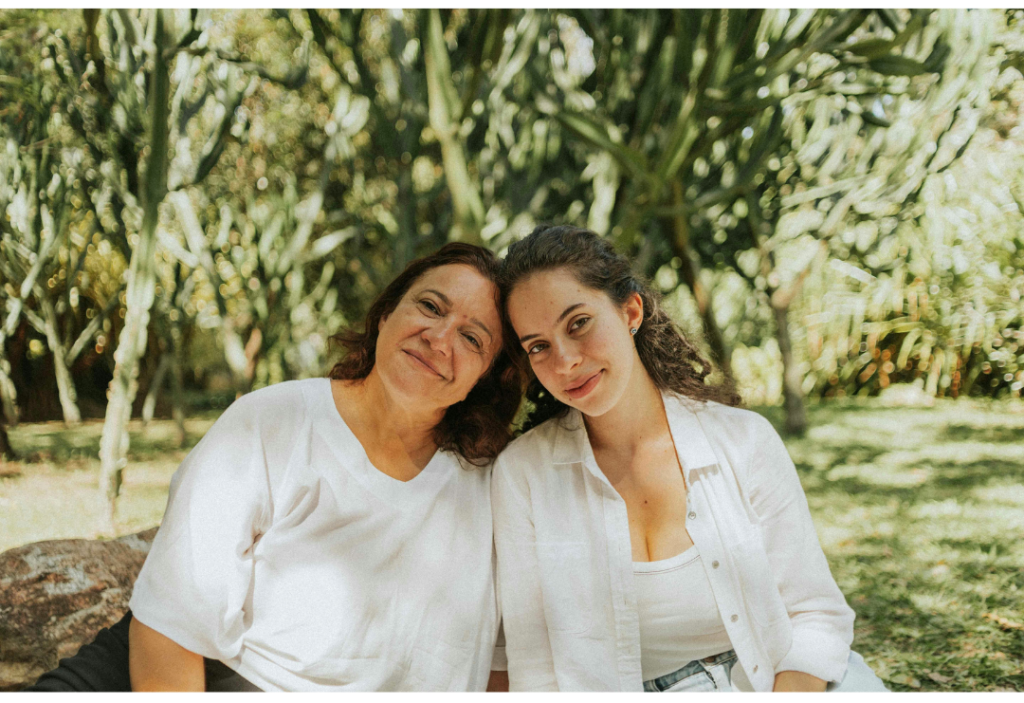
Each year, Mother’s Day arrives wrapped in messages about gratitude, closeness, celebration, and family. For many people, the day may hold joy and connection. But for others, especially adult survivors of childhood sexual abuse (CSA), Mother’s Day can bring grief, anger, confusion, numbness, or deep emotional pain.
Conversations around Mother’s Day often assume that every relationship between a mother and child is safe, loving, and uncomplicated. The reality is far more complex.
For some survivors, the pain of Mother’s Day is connected to loss or estrangement. For others, it may stem from experiences of abuse, neglect, silence, or betrayal within the family system itself. And for some survivors of CSA, one of the deepest wounds may come not only from the abuse they experienced, but from not being believed, protected, or supported when they disclosed it.
When a child tells the truth about harm and is dismissed, minimized, blamed, or ignored, the impact can be profound. Survivors may carry questions into adulthood like: Why didn’t anyone protect me? Why wasn’t I believed? Did my pain matter?
These experiences can deeply affect a survivor’s sense of trust, safety, self-worth, and belonging. Mother’s Day can intensify those feelings, especially when cultural messaging encourages unconditional celebration without acknowledging the complicated realities many people carry.
For survivors whose mothers were unable or unwilling to acknowledge abuse, the day may bring conflicting emotions. It is possible to love someone and feel hurt by them. It is possible to grieve the mother you needed but did not have. It is possible to feel anger, sadness, guilt, relief, longing, or nothing at all.
All of those responses are valid.
For some survivors, healing may include creating distance from family members who caused harm or failed to protect them. Others may continue relationships while navigating difficult boundaries. Some may still be searching for understanding or reconciliation, while others may know that accountability never came. There is no single “right” way to move through these experiences.
Mother’s Day may also be difficult for survivors who are mothers themselves. Parenting while carrying unresolved trauma can bring its own challenges, including fear of repeating harmful patterns, grief for one’s younger self, or pressure to embody a version of parenthood that feels emotionally overwhelming. At the same time, many survivors work intentionally to create safety, care, connection, and healing for the next generation in ways they may not have experienced themselves.
Survivors deserve space to hold the full complexity of these experiences without shame.
If Mother’s Day feels painful this year, you are not alone. You do not owe anyone performative celebration, forced gratitude, or emotional closeness that compromises your well-being. Caring for yourself may mean setting boundaries, limiting social media, spending time with supportive people, engaging in grounding practices, or allowing yourself to move through the day quietly and gently.
Healing is not about forcing forgiveness or pretending pain did not happen. Healing can begin with acknowledging the truth of your experiences and recognizing that your feelings are real and worthy of care.
At Wings, we believe survivors deserve to be believed, supported, and met with compassion. We also recognize that healing often includes grieving the relationships, protection, or care that should have existed in the first place.
This Mother’s Day, we hold space for the many ways people experience this holiday, including the complicated and painful ones that are so often left unspoken.
No one should have to carry those experiences alone.